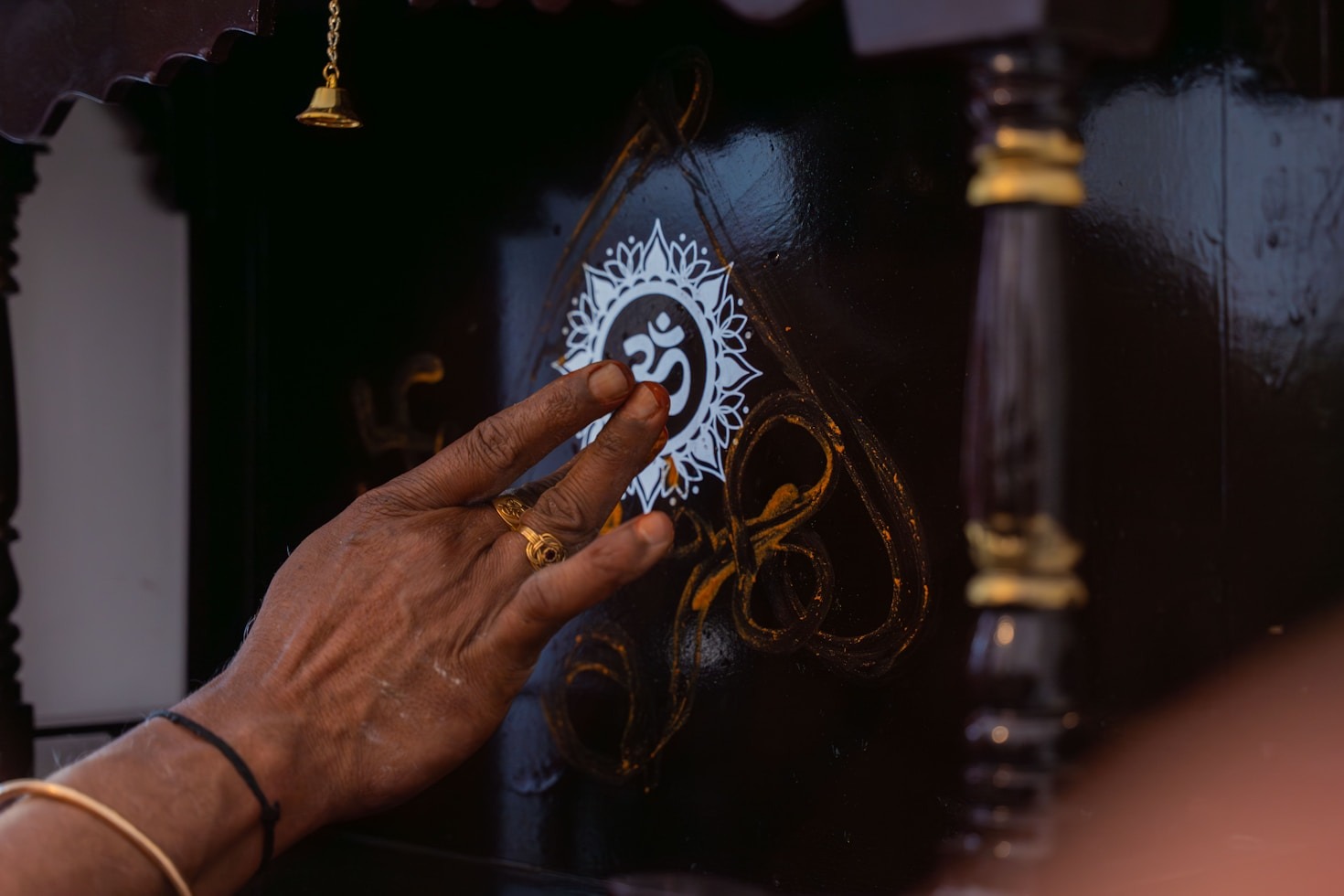
Spiritual artifacts are physical objects that hold deep meaning for religious or cultural communities. These objects connect people to their beliefs, their ancestors, and the spiritual world. They exist in nearly every culture on earth and have done so for thousands of years. Understanding these artifacts helps us understand how people across history made sense of life, death, and the forces they could not explain.
Objects do not just carry meaning. They carry memory, belief, and the weight of generations.
A spiritual artifact is any object that holds religious or sacred meaning. These items are usually connected to a deity, a holy figure, or a sacred event. They include things like sacred texts, sculptures, icons, and relics. What makes these objects special is not just what they are made of, but the stories and beliefs passed down with them over generations.


The left image shows a Korean shaman altar. Korean shamanism has been practiced since prehistoric times. Female shamans known as mudang served as spiritual guides for their communities. They were believed to contact the spirit world and help the living by communicating with spirits that could affect human lives.
In a major ritual called a gut, the shaman wears the costumes of gods, dances to drum beats, and speaks in the voice of different deities. The ritual continues until all gods and ancestors connected to a client’s family have appeared. The tools on the altar are not decorations. Each one carries a specific purpose in the ceremony.
Spiritual artifacts are not limited to one religion or one part of the world. You find them in Christianity, Islam, Hinduism, Buddhism, and in indigenous traditions across Africa, Asia, and the Americas. What they all share is this: they give people a physical way to connect with something they believe is greater than themselves.
Spiritual artifacts have survived wars, colonization, and thousands of years because the beliefs behind them never died. They remind us that humans have always searched for meaning. Whether it is a shaman’s ceremonial knife, a carved wooden idol, or a simple prayer bead, these objects tell stories that no book alone can fully capture. They are history you can hold in your hands.
[…] https://wikiflo.com/spiritual-artifacts-and-their-stories-through-time/ […]
[…] Spiritual Artifacts and Their Stories Through Time […]